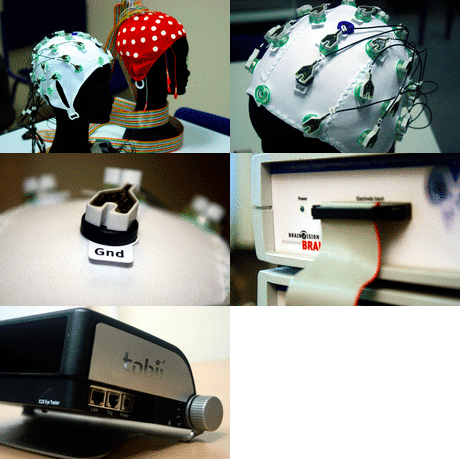
One of the most important goals of psycholinguistics is to gain insight into how humans acquire, represent and organize language in their brain. In order to investigate the universal characteristics of language representation and processing we make use of behavioural techniques (Reaction Times), electrophysiological measurements (ERPs) and eye movement recordings.
1. Language Learning and Processing. Making our linguistic reality a scientific opportunity, the central object of study of our research team Bilingualism. We study the mechanisms of control and change of languages, the learning processes of lexicon and syntax and the effects of cross-linguistic influence as well as the impact of grammatical structure on linguistic processing. We pay special attention to the Basque language and the different ages of acquisition and degrees of linguistic competence of bi/multilingual Basque/Spanish/English/French speaker populations.
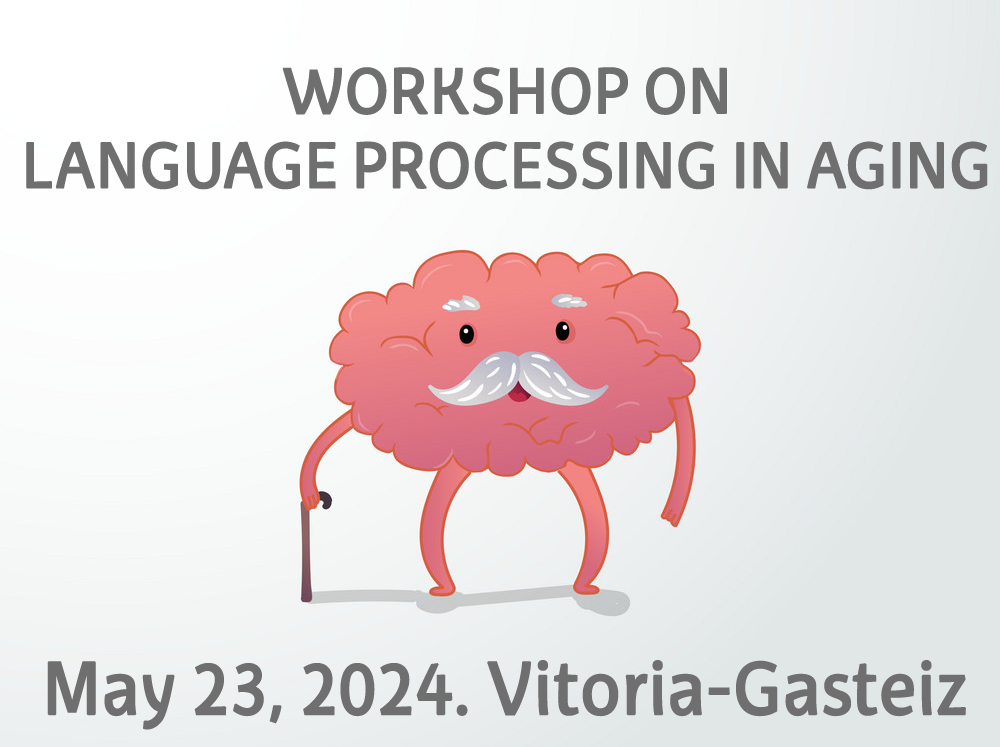
2. Linguistic processing in aging. A growing body of work shows that our linguistic abilities do not remain stable throughout adulthood. And yet, the study of language processing to date has focused on young adult populations. In order to fully understand how humans process language, we examine in parallel young and older adults, using the same techniques. Normal decline of certain linguistic abilities is an early indicator of various neurodegenerative disorders. Our research will thus allow us to tease apart normal from pathological decline, and to determine if and how bilingualism offers a cognitive protection against decline.
3. Linguistic variation. Basque is typologically different from its Indoeuropean neighbours, which are better known and studied. That is why another main objective of our group is to describe and analyze Basque in its synchronic dimension, focusing on its contemporary dialectal variations.
Centro de Investigación Micaela Portilla Ikergunea
(office 3.2) – UPV/EHU
Justo Vélez de Elorriaga , 1, 01006
Vitoria-Gasteiz
Phone: +34 945014294 |+34 945014354 | Fax: +34 945013200 | E-mail: gogo.elebiduna@gmail.com